Topic: DAX
-
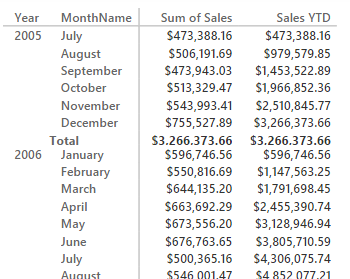
In Power BI Desktop (as of February 2016) you have to use DAX to apply calculations over dates (such as year-to-date, year-over-year, and others), but you do not have the Mark as Date Table feature. This article describes which scenarios… Read more
-
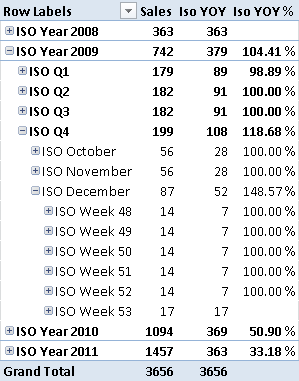
This article describes how to implement a custom year-over-year calculation in DAX based on arbitrary associations between different periods. As an example, we describe the comparison of the 53rd week in a ISO Calendar. Read more
-
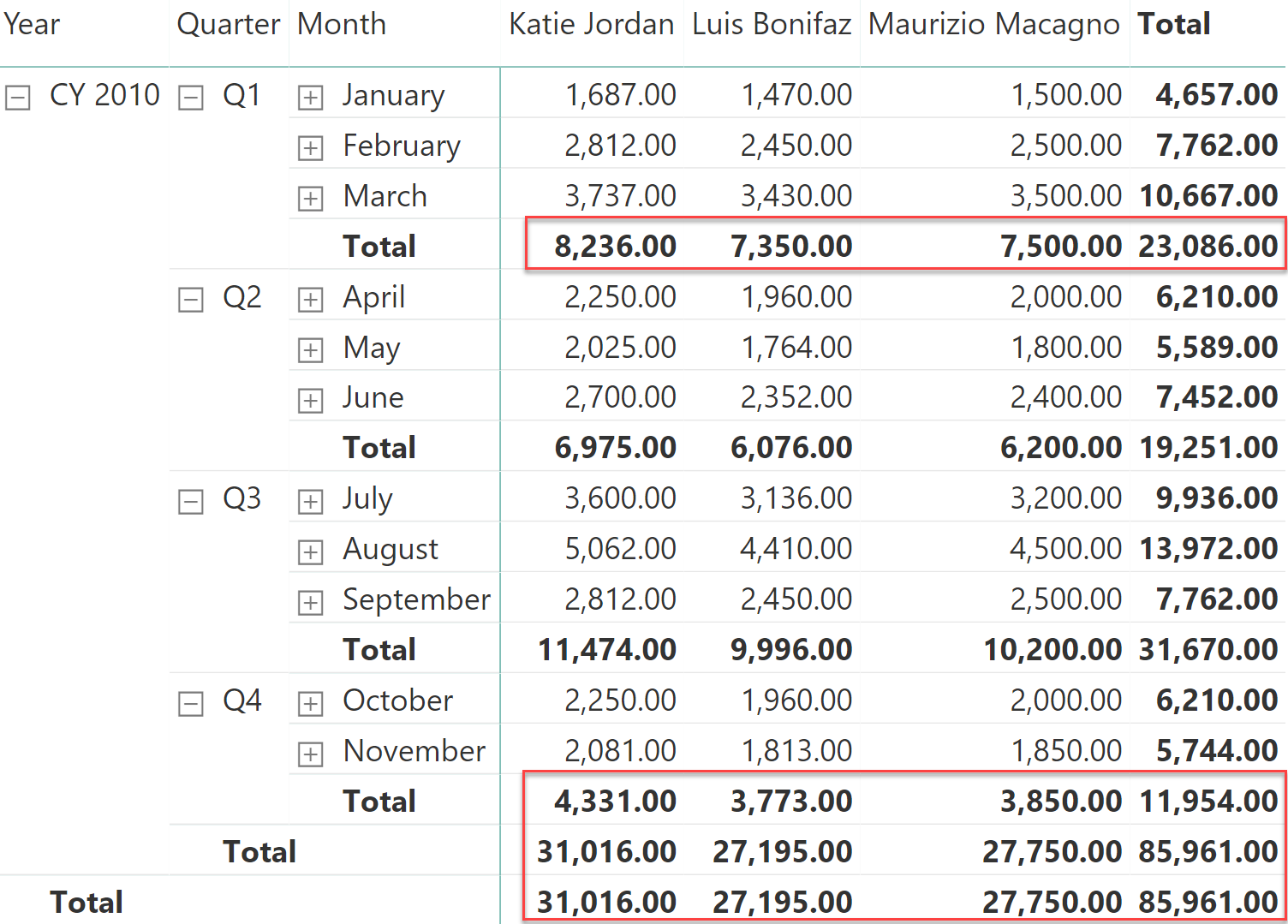
Values such as inventory and account balance, usually calculated from a snapshot table, require the use of semi-additive measures. This article describes how to implement these calculations in DAX according to your specific requirements. Read more
-
Values such as inventory and balance account, usually calculated from a snapshot table, require the use of semi-additive measures. In Multidimensional you have specific aggregation types, like LastChild and LastNonEmpty. In PowerPivot and Tabular you use DAX, which is flexible… Read more
-
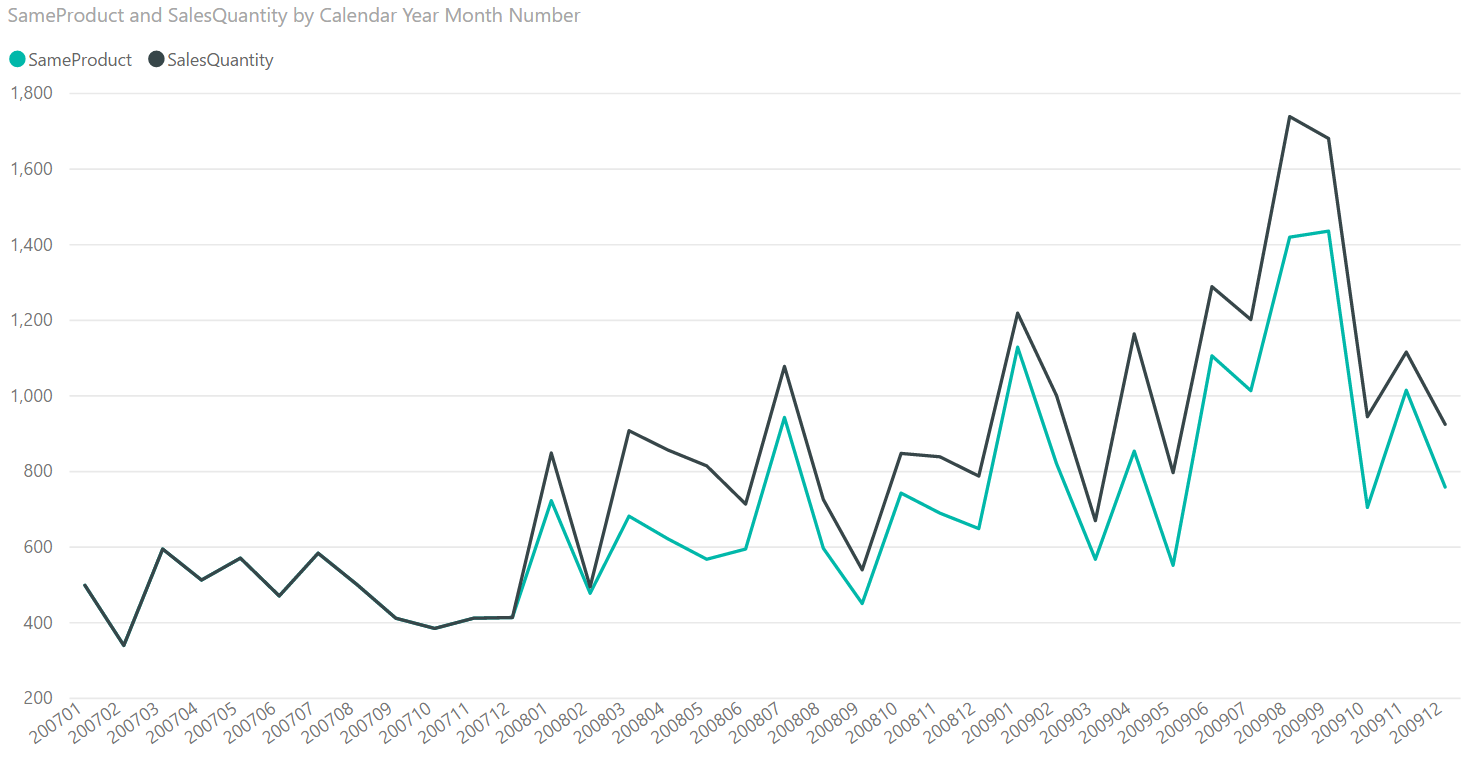
This article shows a technique in DAX to compute the sales volume of products that were available right from the beginning of a selected time period, ignoring products introduced afterwards. Read more
-
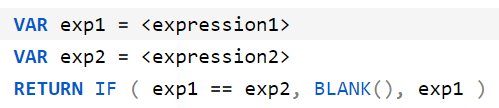
This article describes how to implement a syntax equivalent to the T-SQL function NULLIF and the ANSI SQL function COALESCE, in DAX. Read more
-
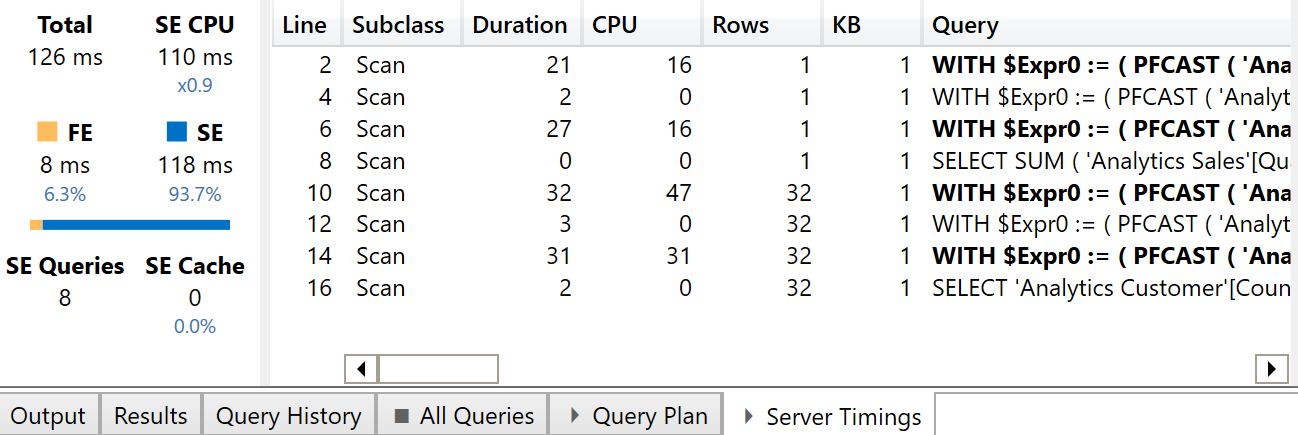
This article describes the reasons why an Excel pivot table may be slow when using the Analyze in Excel feature of Power BI. Read more
-
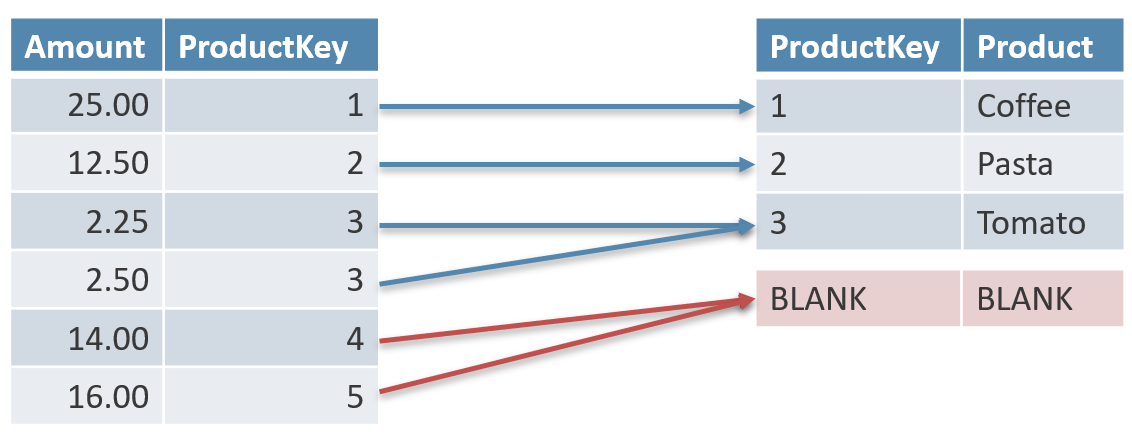
There are two functions in DAX that return the list of values of a column: VALUES and DISTINCT. This article describes the difference between the two, explaining the details of the blank row added to tables for invalid relationships. Read more
-
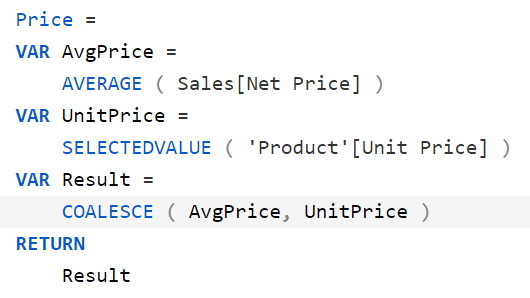
This article provides a complete explanation of the behavior of the ALLxxx functions in DAX. When used as filters in CALCULATE, ALLxxx functions might display unexpected behaviors. Read more
-
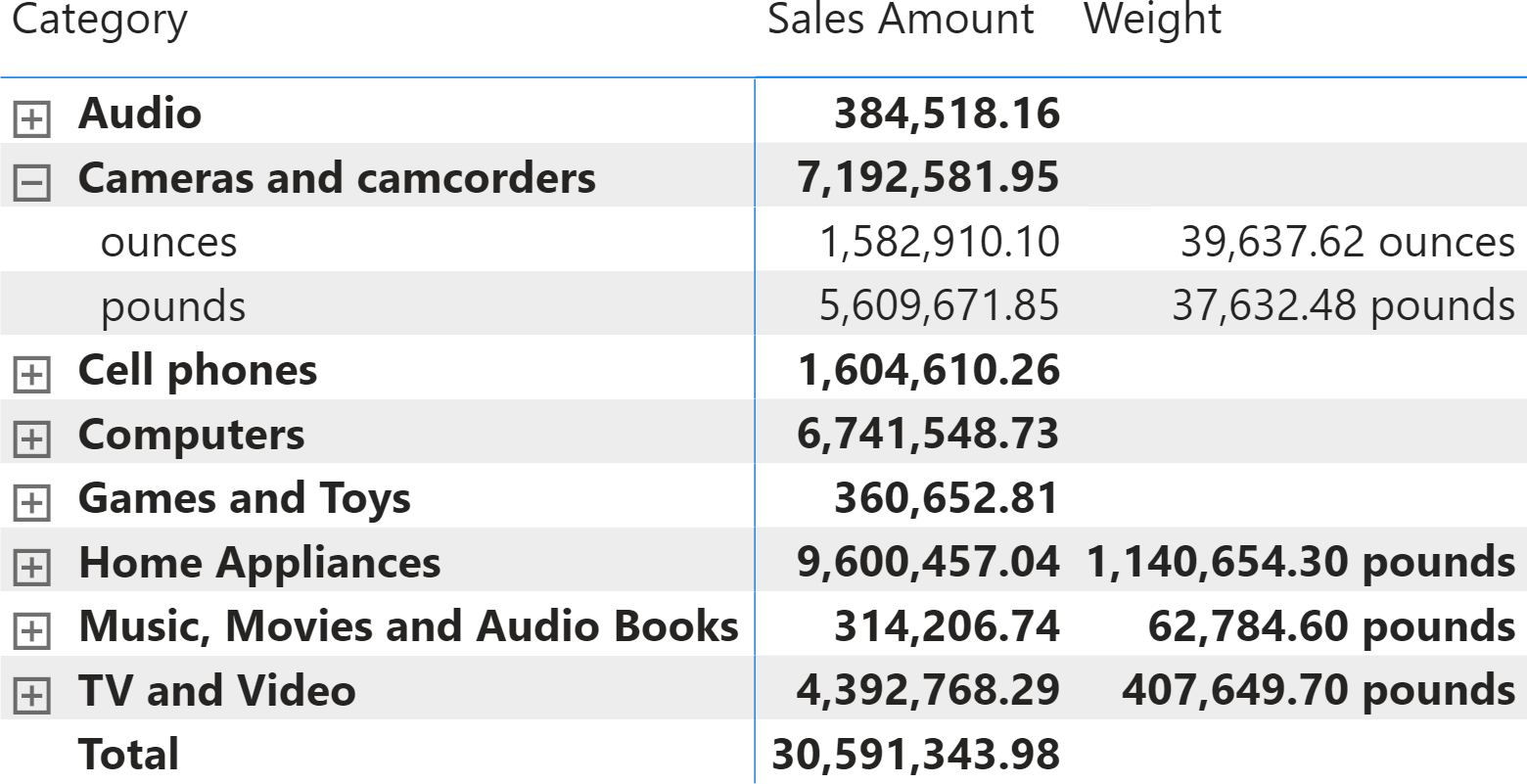
This article shows two techniques based on calculation groups: how to implement dynamic format strings in regular measures, and how to perform weight conversion on the fly. Read more