Topic: DAX
-
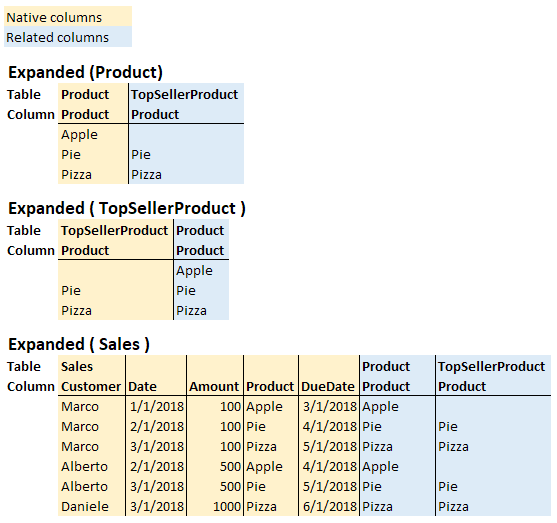
Expanded tables are the core of DAX; understanding how they work is of paramount importance. This article provides a theoretical foundation of what expanded tables are, along with fundamental concepts useful when reading DAX code. Read more
-
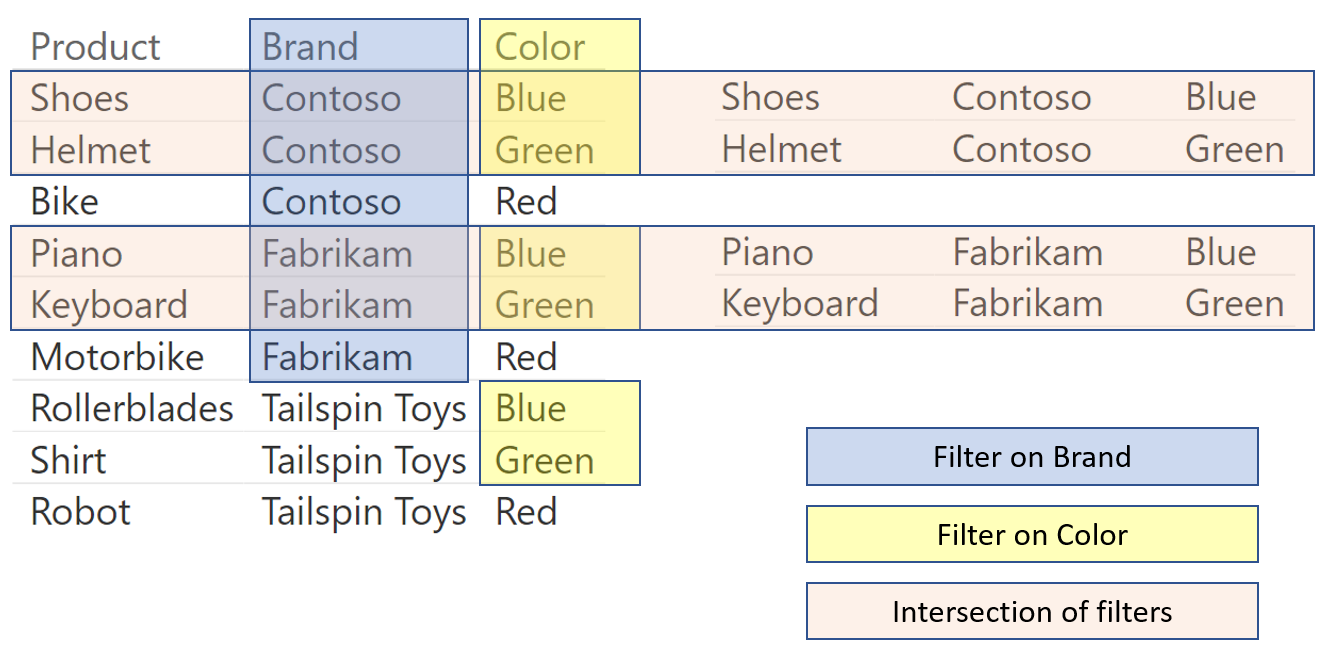
ALLSELECTED is a powerful function that can hide several traps. This article is an in-depth analysis of the behavior of ALLSELECTED, explaining shadow filter contexts, what they are and how they are used by ALLSELECTED. Read more
-

This article describes how to use variables to optimize the performance of DAX expressions containing multiple instances of the same measure or the same sub-expression. Read more
-
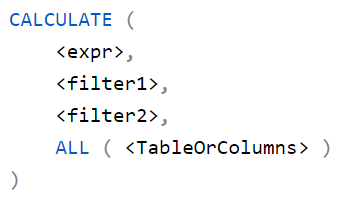
This article explains how the context transition interacts with the filter arguments of a CALCULATE function in DAX. This is important in order to avoid unexpected results with complex calculations made in filter arguments. Read more
-

This article describes a counterintuitive behavior of BLANK in DAX measures affecting Power BI, Analysis Services, and Power Pivot. That behavior could cause mistakes in a report using alternate expressions of the same calculation. Indeed, these expressions are not equivalent… Read more
-
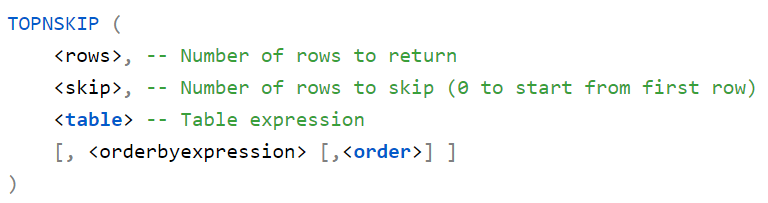
This article describes how to extract raw data stored in the Tabular engine, used by Analysis Service Tabular, Power BI, and Power Pivot. Read more
-
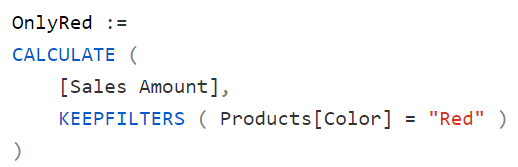
This article explains how to use KEEPFILTERS to intersect instead of overriding an existing filter context in DAX, simplifying the code and improving performance. Read more
-

This article describes how to create a table with a series of numbers in DAX by using the new GENERATESERIES function or through a workaround using CALENDAR. Read more
-
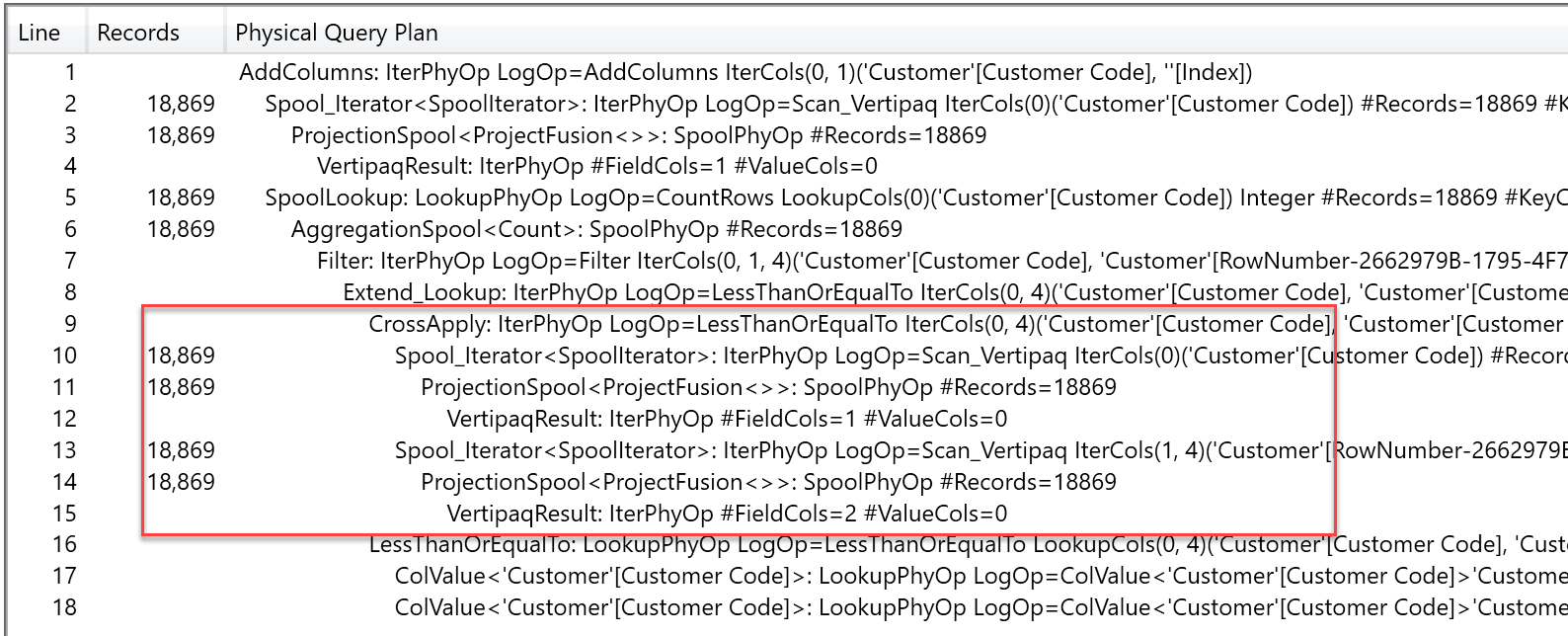
This article presents different techniques to compute a rownumber column in DAX based on a specific ranking, comparing slow and optimized approaches. Read more
-
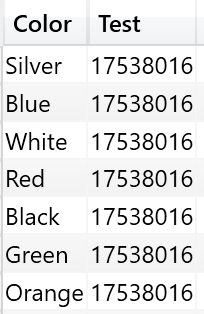
This article describes a number of techniques available to filter tables in DAX, showing possible pitfalls that you can avoid once you know them, in particular using bidirectional filters. One of the hardest things to do, when learning DAX, is… Read more