-
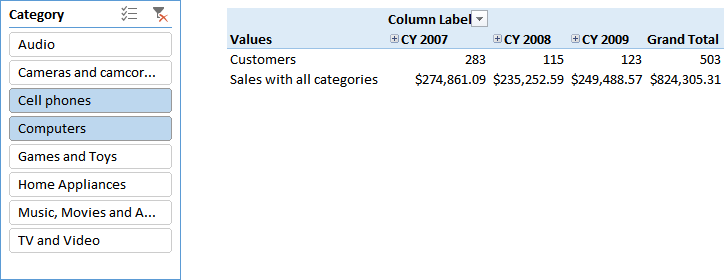
When you apply a multiple selection to a slicer or to a filter, you obtain a logical OR condition between selected items. This article shows how to implement a logical AND condition in a measure instead of the standard OR… Read more
-
You can create static tables in DAX using the DATATABLE function. This article describes the syntax of this new feature and shows when and how to use it. Read more
-
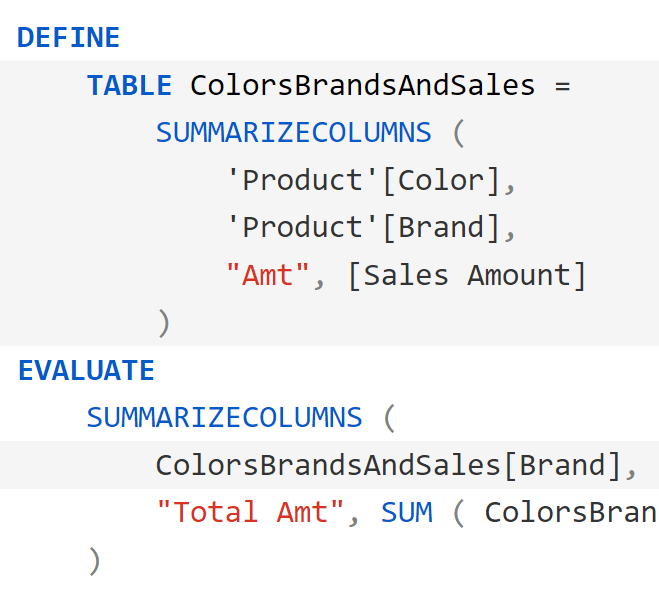
This article describes the syntax and the use cases of the DEFINE TABLE statement in DAX. Read more
-
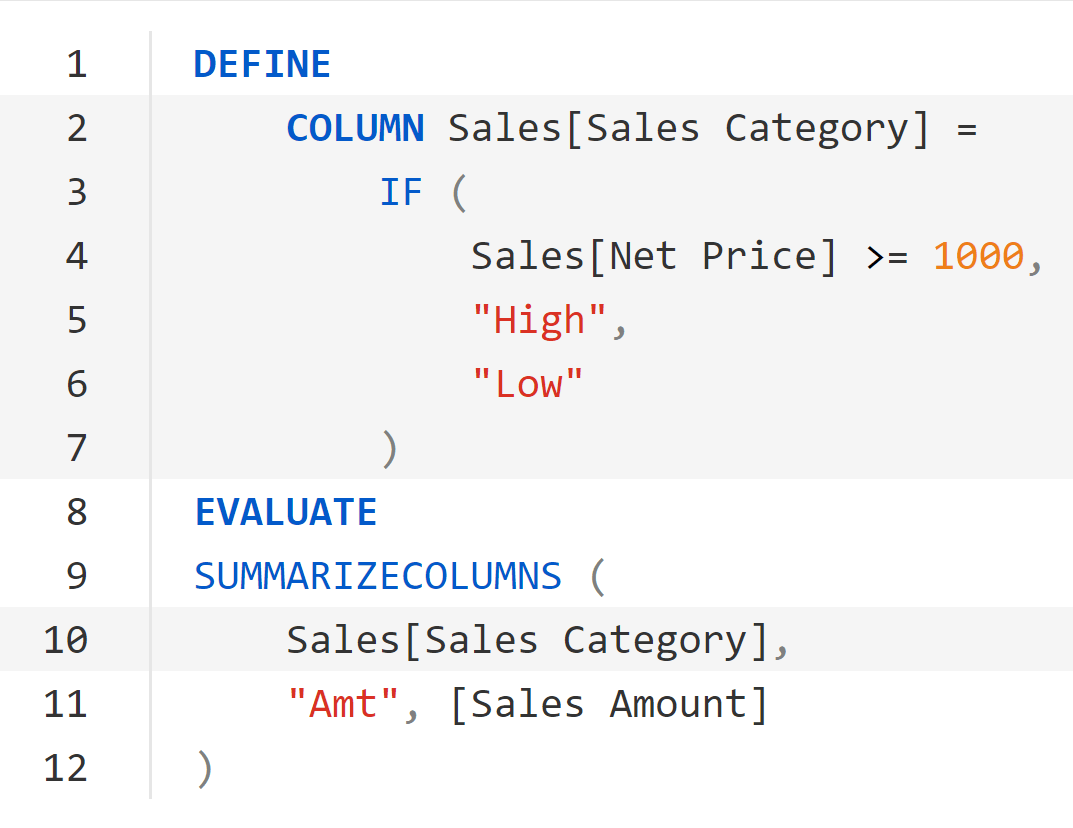
This article describes the syntax and the use cases of the DEFINE COLUMN statement in DAX. Read more
-
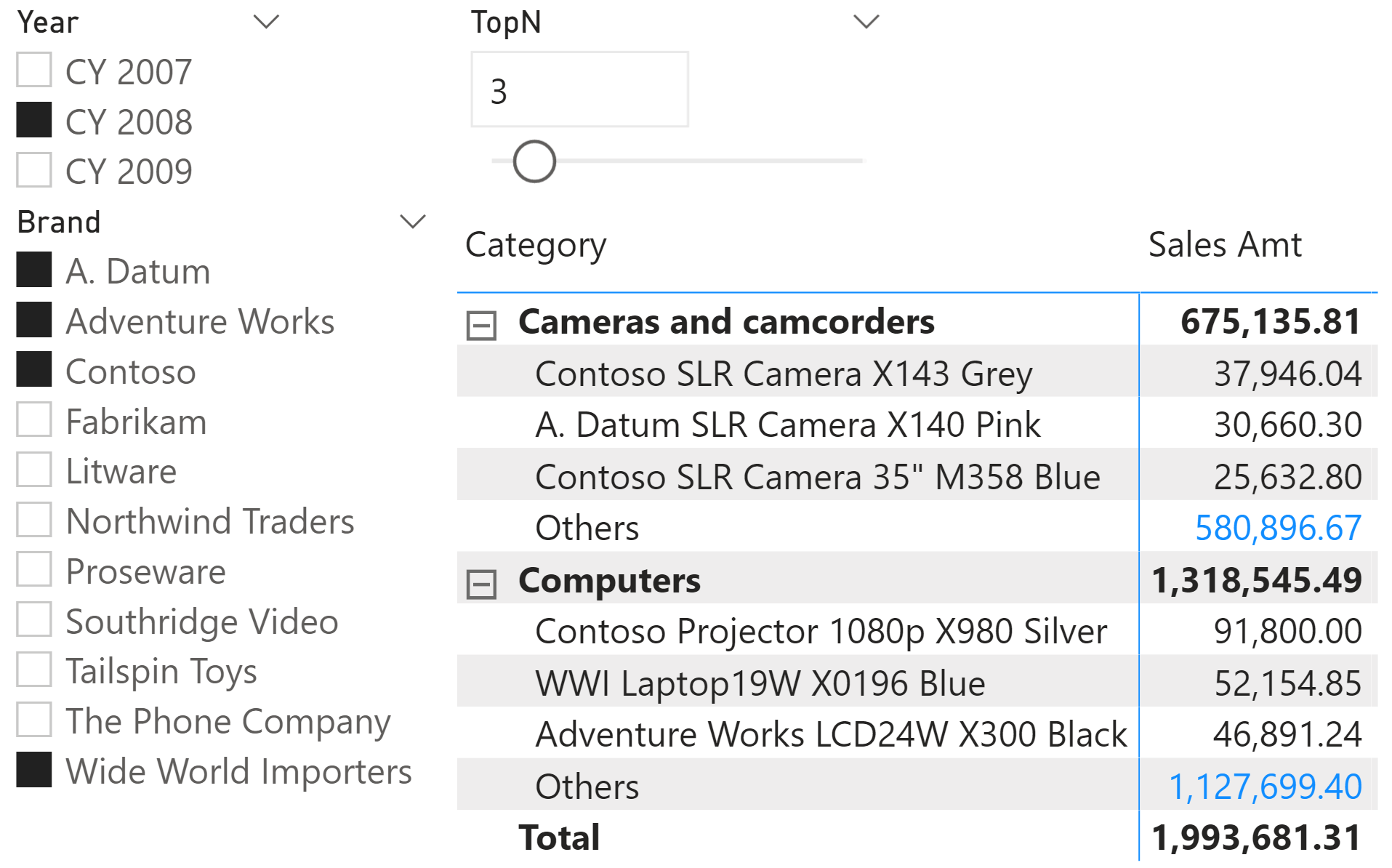
This article shows an optimized DAX technique to display the first N products for each category in Power BI, adding a row that aggregates the value for all the other products. The companion video introduces the scenario and the general… Read more
-
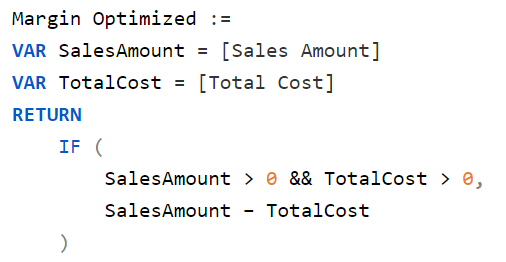
This article describes a very common optimization pattern that relies on variables to optimize conditional expressions in DAX. Read more
-
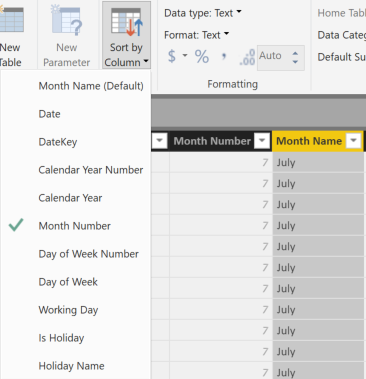
The Sort By Column feature in Power BI causes side effects that are important to know when writing a DAX formula. This article explains these side effects and how to write correct DAX code to avoid getting incorrect results. Read more
-
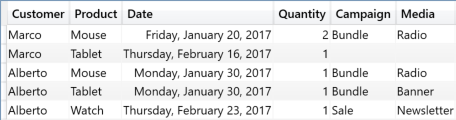
This article describes different techniques to retrieve multiple values from a lookup table in DAX, improving code readability and performance. Read more
-
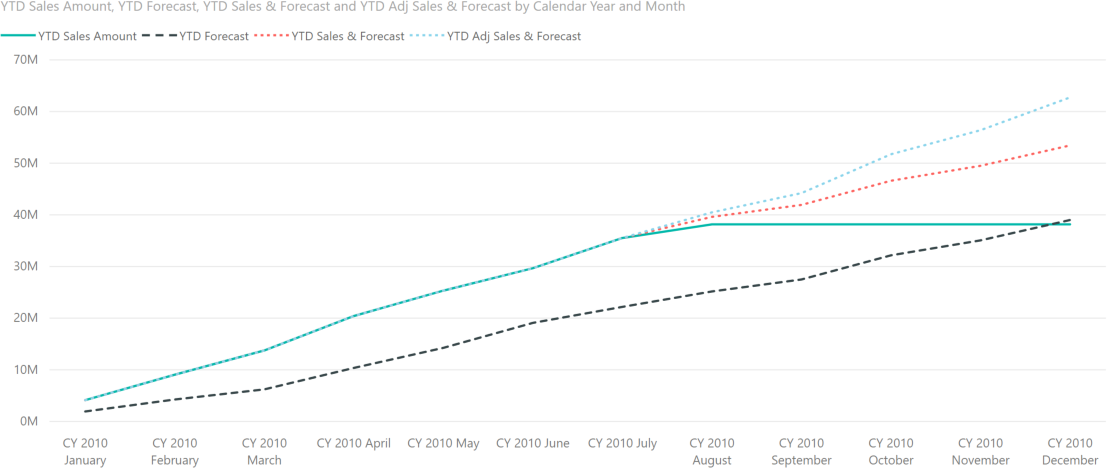
In budgeting reports, a common requirement is to show future sales forecast and actual sales volume on the same line chart. This article describes how to achieve this goal using DAX. Read more
-
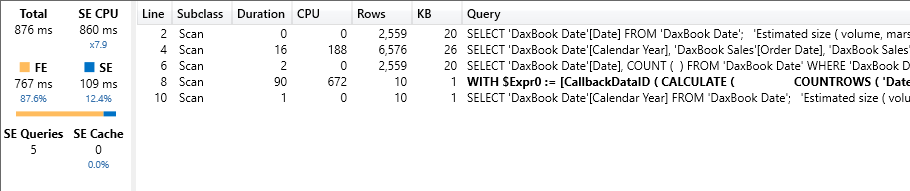
Estimating the cardinality of iterators is an important skill when optimizing DAX code. This article explains how to use this technique, evaluating different ways of computing the number of working days between two dates. Read more