-
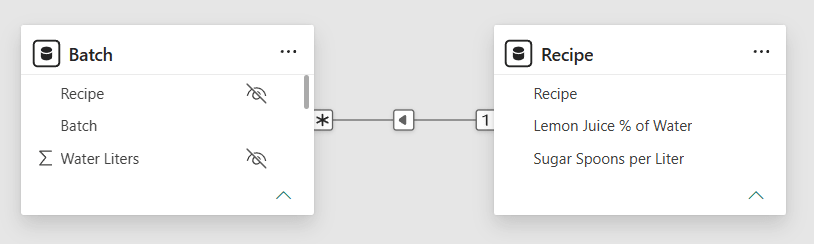
A DAX calculation can produce convincing values at the detail level and still fail at the total. The problem is often not the total itself: the business rule was evaluated at the wrong granularity. This article introduces four grains, or… Read more
-
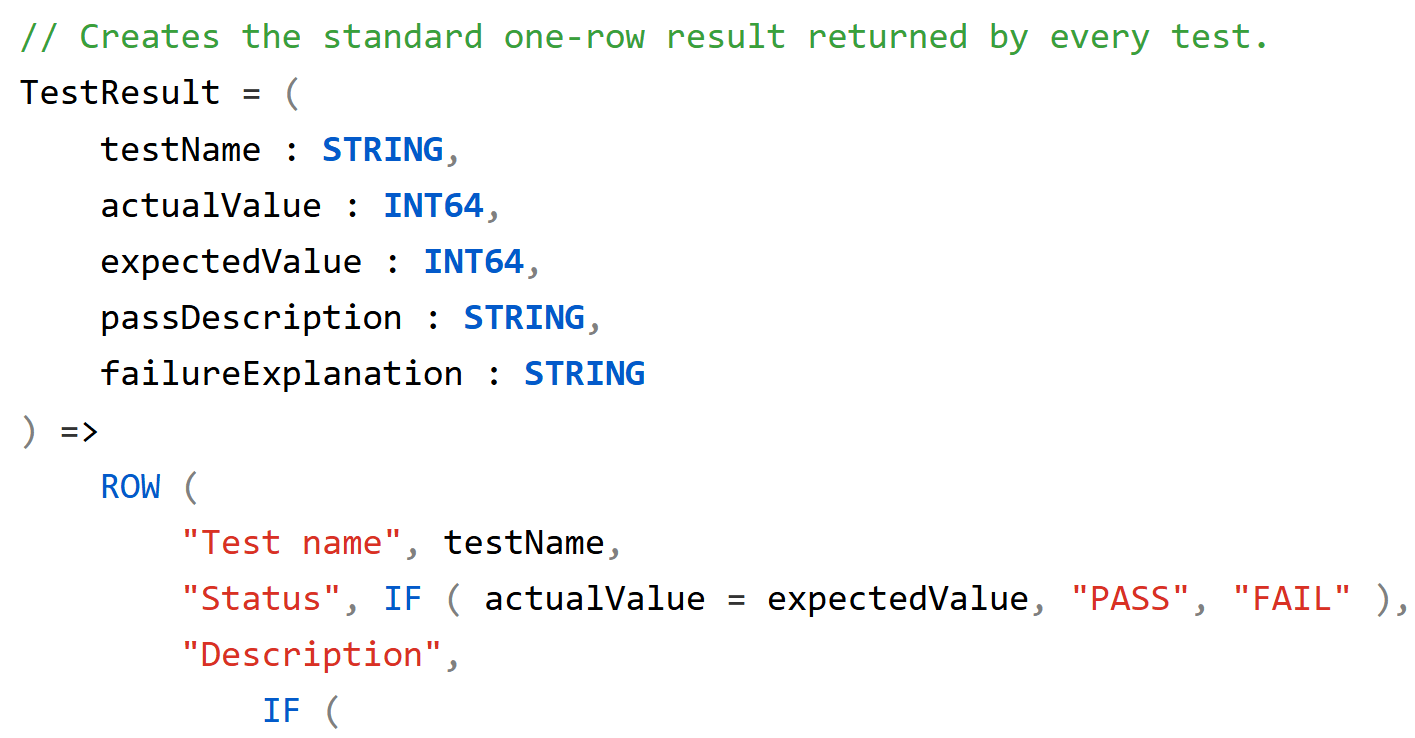
This article describes how to use AI to identify relevant test cases in a semantic model and create repeatable DAX tests for a measure. Read more
-
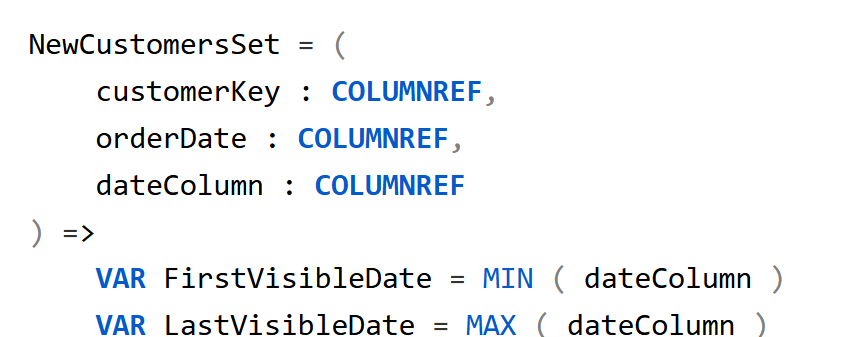
Code written by AI can contain many duplicate parts. User-defined functions are a great tool to simplify complex measures; this article shows how to leverage AI to build better DAX code. Read more
-
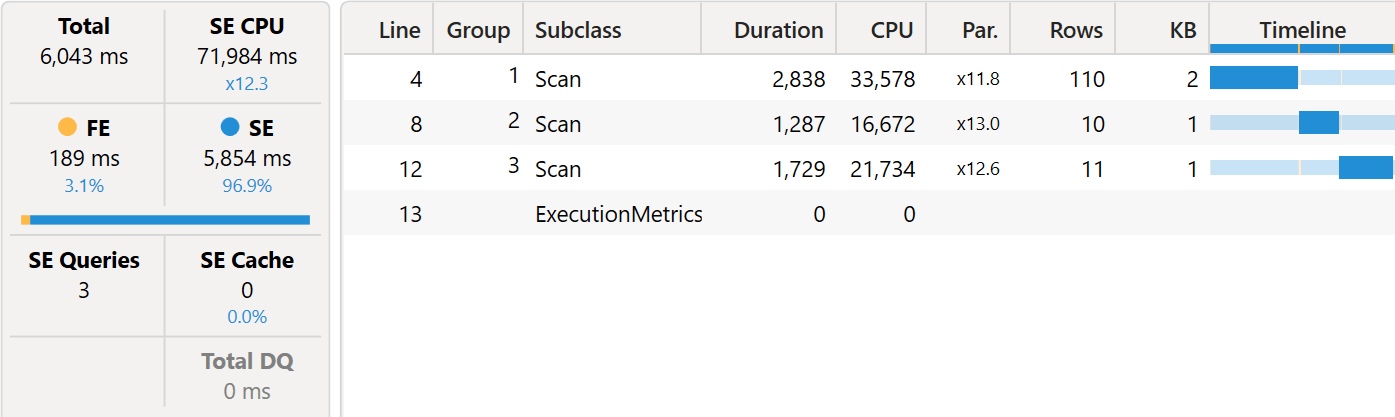
Visual calculations can either improve or degrade the performance of a report. In this article, we outline how we ensure visual calculations have a positive impact on performance. Read more
-
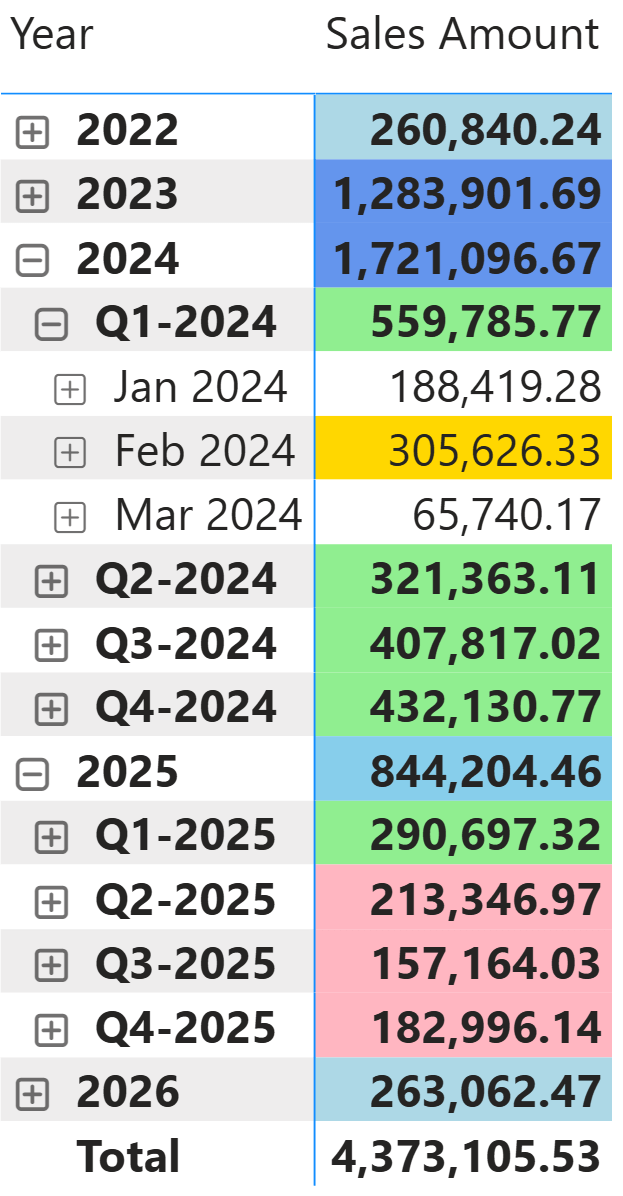
This article describes how to apply different formatting rules at each level of a hierarchy (one rule at the year level, another at the quarter level, another at the month level) using ISINSCOPE in a measure or ISATLEVEL in a… Read more
-
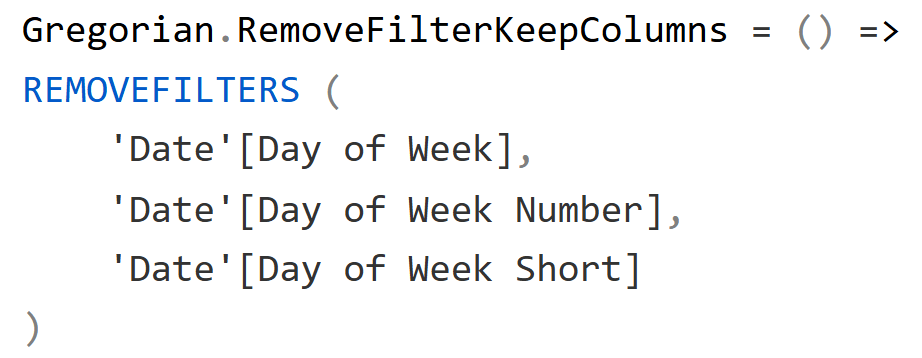
In this article, we implement a function that removes filter-keep column filters from a calendar, using REMOVEFILTERS as the return value of the function. Read more
-
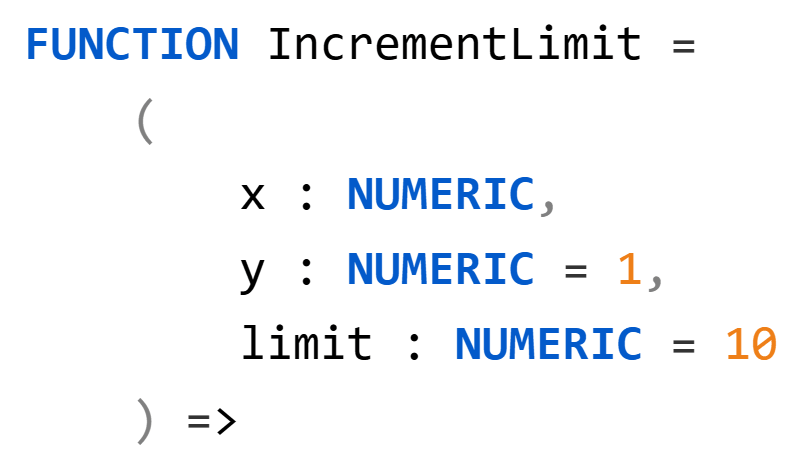
This article describes how to define optional parameters in DAX user-defined functions and set default values for parameters not specified by the caller. Read more
-
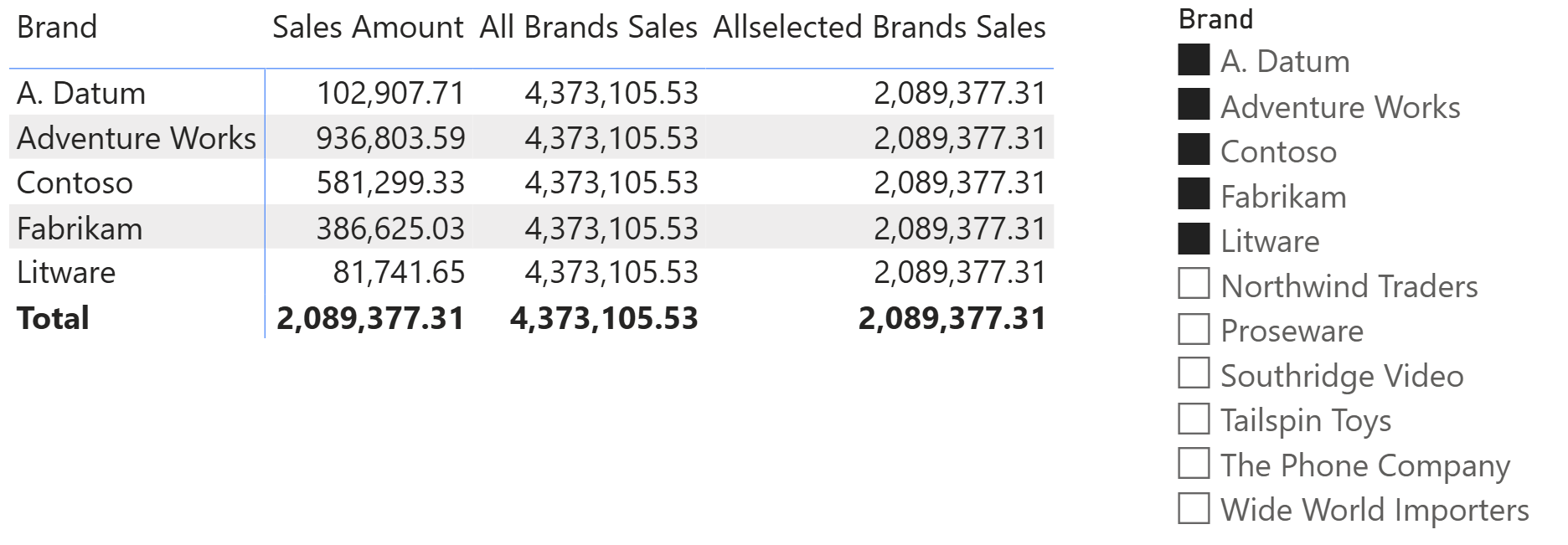
DAX offers many functions to remove filters from the filter context. In this article, we analyze the differences among the most commonly-used functions. Read more
-
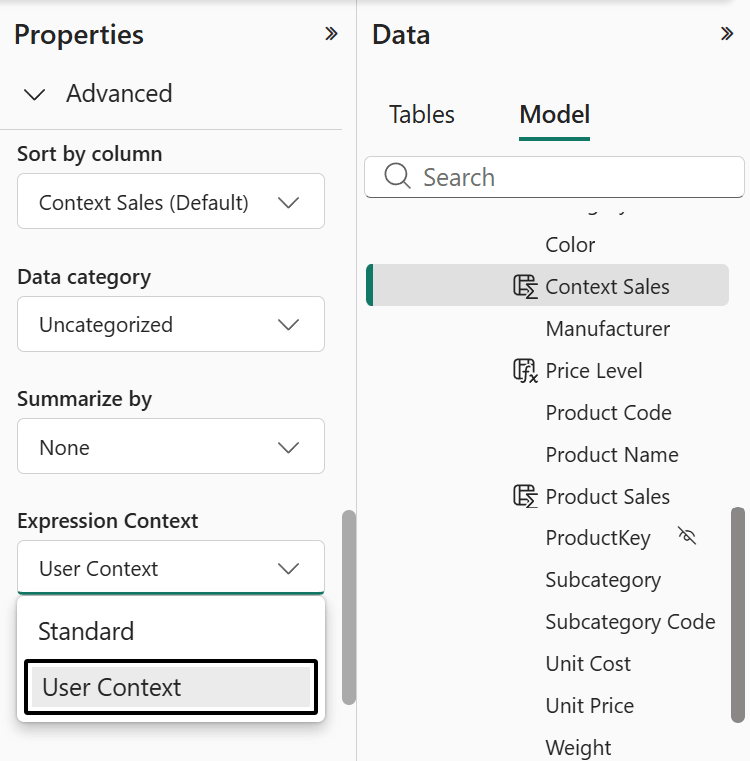
This article describes the new Expression Context property of calculated columns in Power BI, explaining how user-aware calculated columns work, why they are not materialized, and how to use them as virtual calculated columns for localization and custom security scenarios. Read more
-
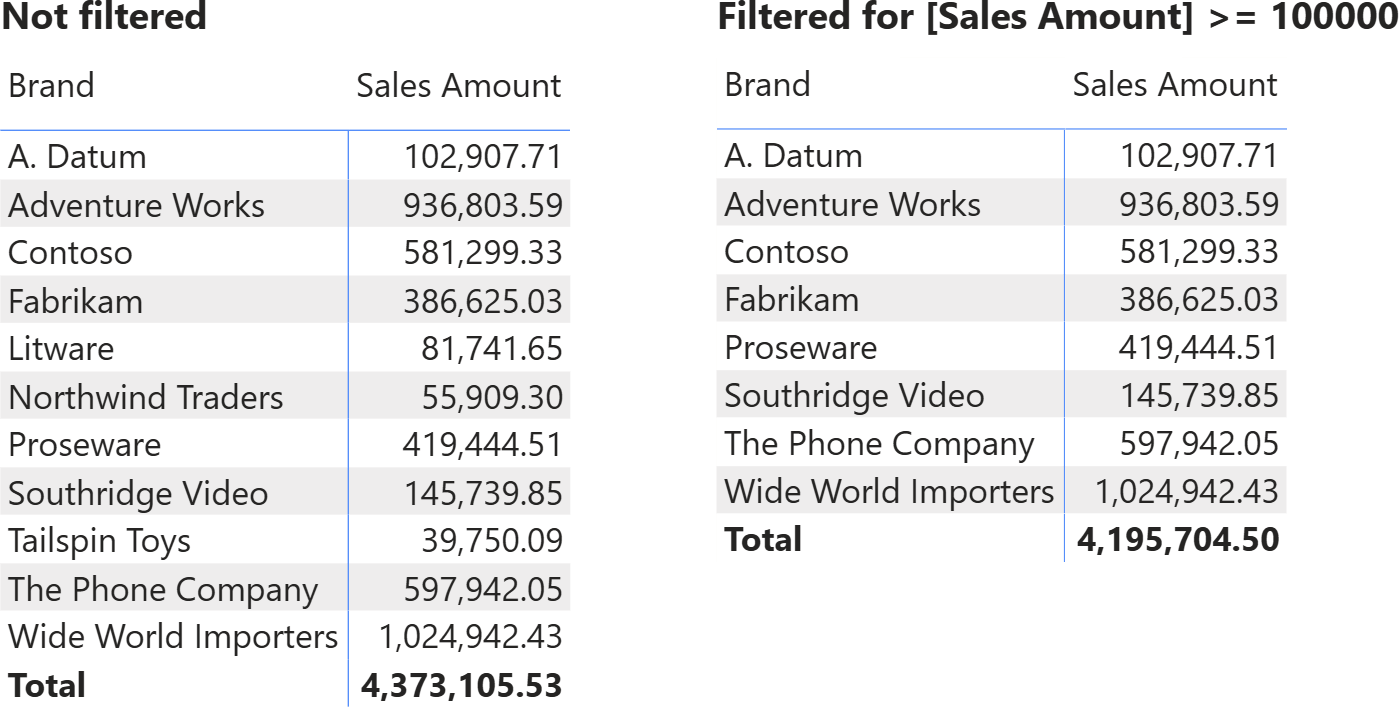
A slicer cannot filter a measure. In this article, we analyze this common request by explaining how to use a slicer to filter a measure, after discussing the real meaning of using a measure with a slicer. Read more